
Strong, Precise Metal Work That Keeps Industrial Equipment Running
Welding services for industrial equipment fabrication involve cutting, fitting, and joining metal parts to build heavy-duty machines and structures. These services are used to create frames, tanks, platforms, brackets, and custom components for factories, plants, and job sites. The goal is simple: build equipment that is strong, safe, and built to last under hard use.
What You Need Before Starting a Fabrication Project
Before any welding begins, you need a clear plan. Industrial fabrication is not guesswork. It takes good drawings, the right materials, and skilled welders.
Here is what should be ready first:
- Detailed blueprints or CAD drawings
- Material list with correct metal grades
- Load and stress requirements
- Safety standards and code rules
- A clear timeline and budget
Different metals require different welding methods. Steel, stainless steel, and aluminum each behave in their own way. Choosing the right filler metal and weld process makes a big difference in strength and durability.
Step-by-Step Industrial Equipment Fabrication Process
Professional welding services follow a clear process to build industrial equipment the right way.
- Design review: Check drawings and confirm measurements.
- Material prep: Cut, clean, and bevel metal edges.
- Fit-up: Align and clamp pieces in place.
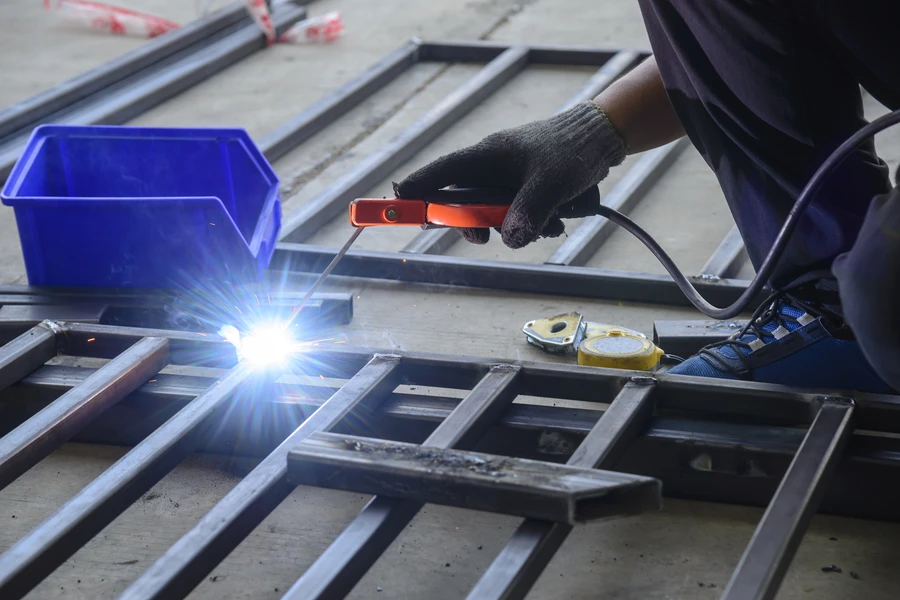
- Welding: Join metals using the correct welding method.
- Inspection: Check weld quality and strength.
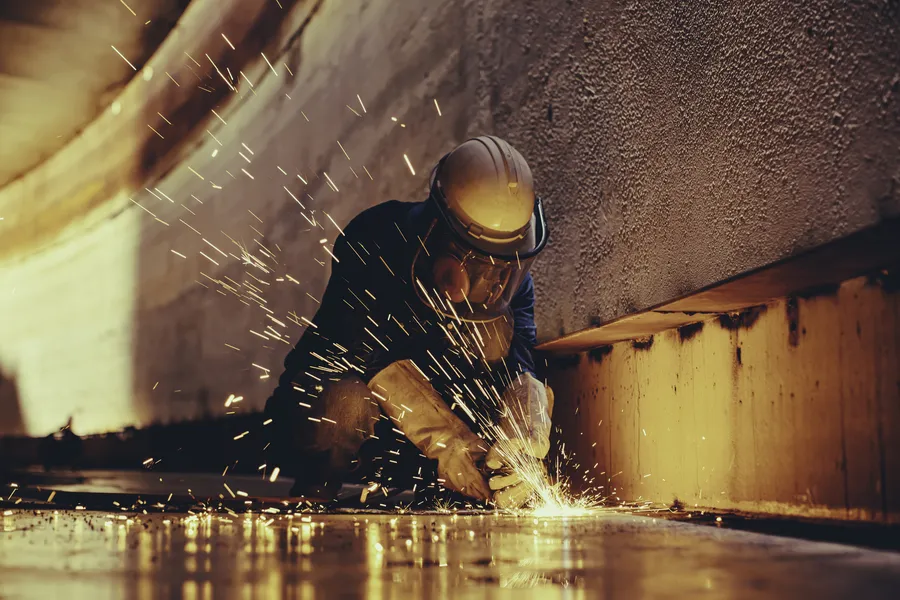
- Finishing: Grind, clean, paint, or coat as needed.
Each step matters. Poor fit-up can lead to weak welds. Skipping inspection can allow cracks or gaps to go unnoticed. Industrial equipment often carries heavy loads or operates under heat and pressure, so weld quality must be consistent.
Common Mistakes to Avoid
Fabrication projects can fail when simple errors happen early on. Many of these problems are preventable.
- Using the wrong metal grade
- Welding without proper surface cleaning
- Ignoring load calculations
- Rushing cooling time
- Not testing weld strength
For example, if a structural frame is welded without proper alignment, the finished equipment may twist under weight. If the weld beads are too thin, they may crack after long use. Small mistakes during fabrication can lead to expensive downtime later.
When to Call a Professional Welding Team
Some small welding jobs can be handled in-house. But industrial equipment fabrication usually requires trained professionals.
You should call expert welding services when:
- The project involves load-bearing structures
- You need code-compliant welds
- The equipment will handle pressure or heat
- Custom parts must fit exact measurements
- You need on-site installation
Professional welders use advanced methods such as MIG, TIG, and stick welding. They also perform visual inspections and, when needed, non-destructive testing. This helps confirm that each weld meets safety standards.
Working with experienced fabricators also saves time. They can suggest design changes that improve strength while reducing material waste. Over time, this lowers repair costs and extends the life of the equipment.
Final Recommendation and Next Steps
If you need reliable welding services for industrial equipment fabrication in Tolleson, AZ, reach out for expert support you can trust. At R Parra Steel Fab Inc., we build and repair heavy-duty equipment with safety and strength in mind. We work with factories, plants, and contractors to create custom metal solutions that last. Call us at (623) 227-1321 to discuss your project and let us help you build equipment that performs the way it should.