
How Custom Metal Equipment Is Built for Safe Food Production
Stainless steel fabrication for food processing equipment is the process of designing, cutting, shaping, and welding stainless steel into machines and work surfaces used to handle food safely. This includes items like conveyor tables, mixing tanks, storage bins, wash stations, and cutting platforms. The goal is simple: create strong, smooth, and easy-to-clean equipment that meets food safety rules and lasts for years of daily use.
What You Need Before Starting a Fabrication Project
Before starting any stainless steel fabrication project, you need a clear plan. Food plants have strict safety codes. Equipment must handle moisture, heat, cleaning chemicals, and heavy use.
Here are the basics you should have ready:
- Detailed measurements of your space
- Type of food being processed
- Weight loads the equipment must support
- Local and federal food safety requirements
- Preferred stainless steel grade, such as 304 or 316
Food environments often require smooth welds, rounded corners, and polished surfaces. These features help prevent bacteria from growing in small cracks.
Step-by-Step Process of Building Food-Grade Equipment
Stainless steel fabrication for food operations follows a clear set of steps. Skipping any step can affect safety or durability.
- Design and Layout: Engineers create drawings based on your workflow and space.
- Material Selection: The correct grade of stainless steel is chosen for corrosion resistance.
- Cutting and Forming: Sheets and tubes are cut with lasers or saws, then bent into shape.
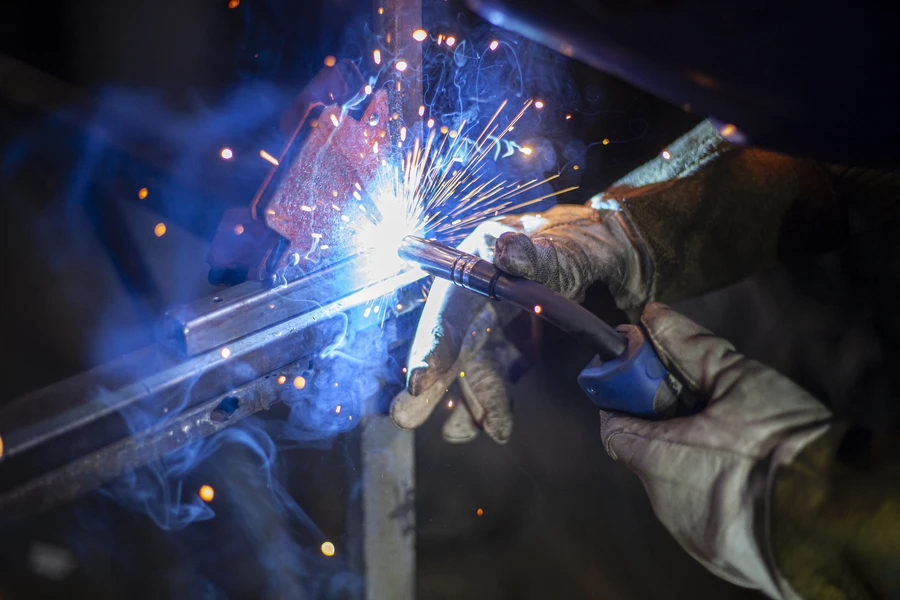
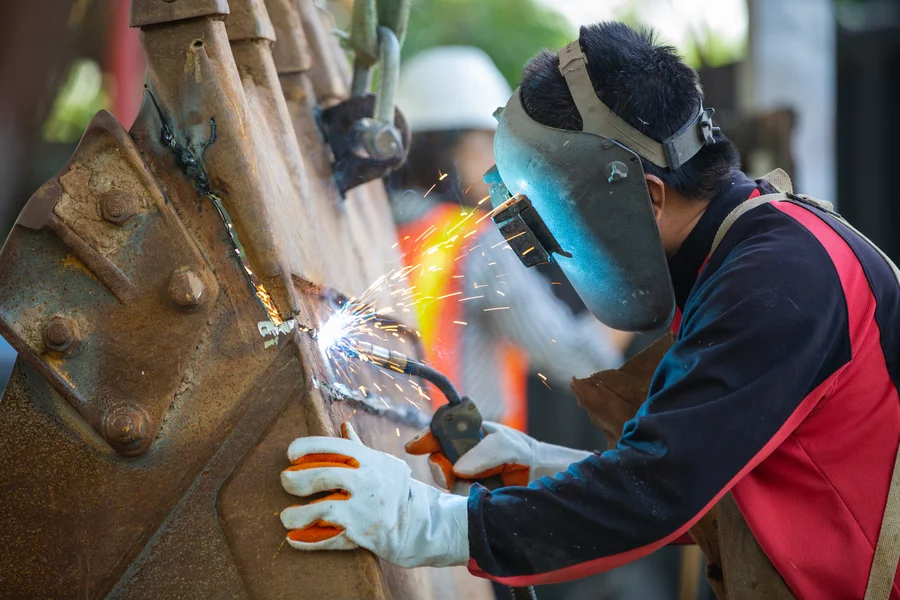
- Welding and Assembly: Pieces are welded together with smooth, sealed joints.
- Surface Finishing: Surfaces are polished to a food-safe finish.
- Inspection and Testing: Equipment is checked for strength, smoothness, and cleanability.
Each step focuses on hygiene and strength. For example, welds are often ground smooth so food particles cannot get trapped.
Common Mistakes to Avoid
Even small errors in stainless steel fabrication can create big problems in food plants.
- Using the wrong grade of steel that rusts over time
- Leaving sharp corners where bacteria can collect
- Poor welding that leaves gaps or pinholes
- Designing equipment that is hard to clean
- Ignoring proper drainage for washdown areas
For example, a mixing tank with rough interior welds may hold food residue. That buildup can lead to contamination. Fixing it later often costs more than building it right the first time.
When to Call a Professional Fabrication Team
Simple tables or shelves might seem easy to build. But food-grade equipment must meet health department rules and industry standards. If your equipment connects to plumbing, electrical systems, or heavy machinery, professional help is the safer choice.
A skilled stainless steel fabrication team understands load limits, sanitation codes, and safe weld procedures. They can also design custom solutions. For example, a bakery may need angled racks to improve airflow. A meat processing plant may require reinforced cutting stations that support heavy tools.
Custom work helps improve workflow. It also reduces downtime because the equipment fits your space and task exactly.
Final Recommendation and Next Steps
Food processing equipment must be strong, clean, and code-compliant. Stainless steel fabrication allows businesses to create custom pieces that support daily production without risking contamination. If you are planning new equipment or replacing worn-out units in Tolleson, AZ, we can help guide the process from design to installation. At R Parra Steel Fab Inc., our team focuses on safe construction, smooth finishes, and long-term durability. Call (623) 227-1321 to speak with us about your food processing equipment needs and schedule a consultation.